
Why more people are switching to credit unions? Yo, I figured that out the hard way last month in my sweaty Atlanta apartment, the AC rattling like it’s got a personal grudge and the smell of fried chicken from downstairs messing with my focus. I’m just a 33-year-old freelance illustrator with a bank account that’s been bleeding fees and a credit score that’s, like, “meh” at 670. I’m spilling my sloppy, human, kinda embarrassing story of ditching big banks for credit unions, complete with my dumb mistakes and real moments of “oh, shit, this might actually work.” Buckle up, it’s a messy ride.
I thought switching to a credit union would be like changing my phone plan—annoying but quick. Nope. I spent a whole Saturday, my cat knocking pens off my desk, googling “credit union benifits” (yeah, I typo’d “benefits”) and panicking when I saw membership rules. I even called one credit union and forgot my own address mid-call—cringe. Anyway, here’s my raw take on why more people are switching to credit unions, straight from my frazzled, American brain.
Why More People Are Switching to Credit Unions (And Why It’s a Vibe)
Figuring out why more people are switching to credit unions is like finding a cheat code for banking, but it’s also like wading through a swamp of fine print. I was slumped on my couch, the Atlanta skyline all humid and hazy outside, when I first hit up NerdWallet for the scoop. Lower fees, better rates, community vibes—it’s a lot. Here’s why credit unions are lit but also why they stressed me out.
Membership’s Tricky: You gotta qualify, like living in a certain area or working somewhere specific. I almost didn’t join because I thought I wasn’t “eligible.”
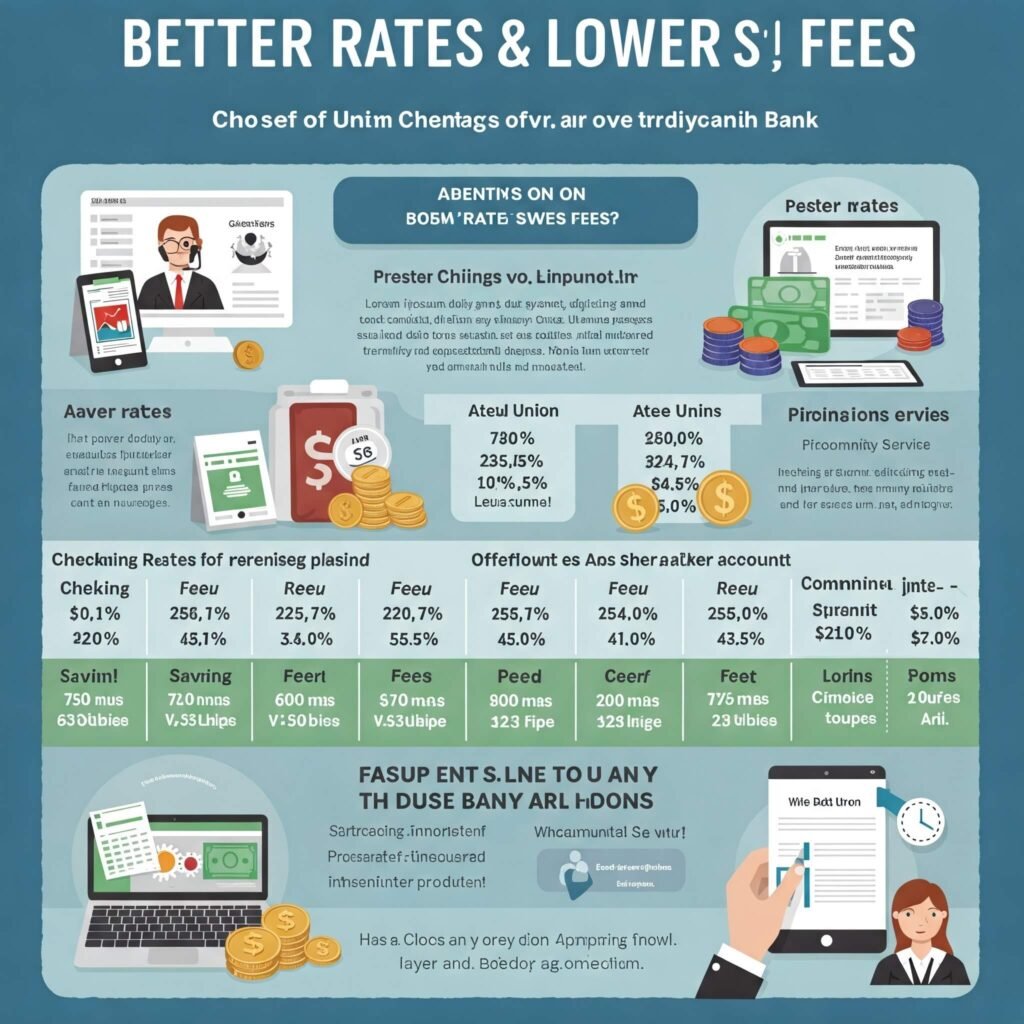
Lower Fees Are Fire: Credit unions don’t nickel-and-dime you like big banks. I saved $15/month on fees with my credit union, per Bankrate.
Better Rates, Yo: They offer higher savings rates and lower loan rates. My credit union quoted me a 5.9% car loan vs. 7.2% at my old bank.
My Epic Fails Switching to Credit Unions
I’m keeping it 100: I botched my switch to a credit union so bad. Like, I once thought I could just walk into any credit union and sign up, only to learn I needed to live in their “field of membership.” I was in a diner, my shirt stained with hot sauce, when I got a call saying I didn’t qualify for one. Here’s my dumb moves, so you don’t repeat ‘em:
- Check Membership Rules: I wasted hours on a credit union that was only for teachers. Use NCUA’s locator to find one you qualify for.
- Don’t Close Your Bank Yet: I almost shut my bank account before my credit union was set up. Big mistake—direct deposits take time to switch, per Credit Karma.
- Ask About Fees: I assumed credit unions were fee-free. Some still charge for stuff like overdrafts. Check the fine print, fam.
Why More People Are Switching to Credit Unions: My Real Reasons
Here’s the tea—why more people are switching to credit unions, based on my chaotic journey in Atlanta. I’m writing this with my cat glaring at me and the faint hum of a neighbor’s lawnmower outside. These are the real reasons I ditched my bank, with a typo or two in my notes because I’m human, not a finance app.
Lower Fees and Better Rates: The Real Deal for Credit Unions
- Why It’s Dope: Credit unions are member-owned, so they cut fees and offer better rates. I got a 1.5% APY on savings vs. 0.01% at my bank, per Forbes.
- My Experience: My credit union waived a $10 monthly fee my bank charged. Also got a 6.2% home equity loan quote vs. 7.5% elsewhere.
- Downside: Some have limited ATMs, so I got hit with a $2 fee once.
Community Vibes: Credit Unions Feel Like Home
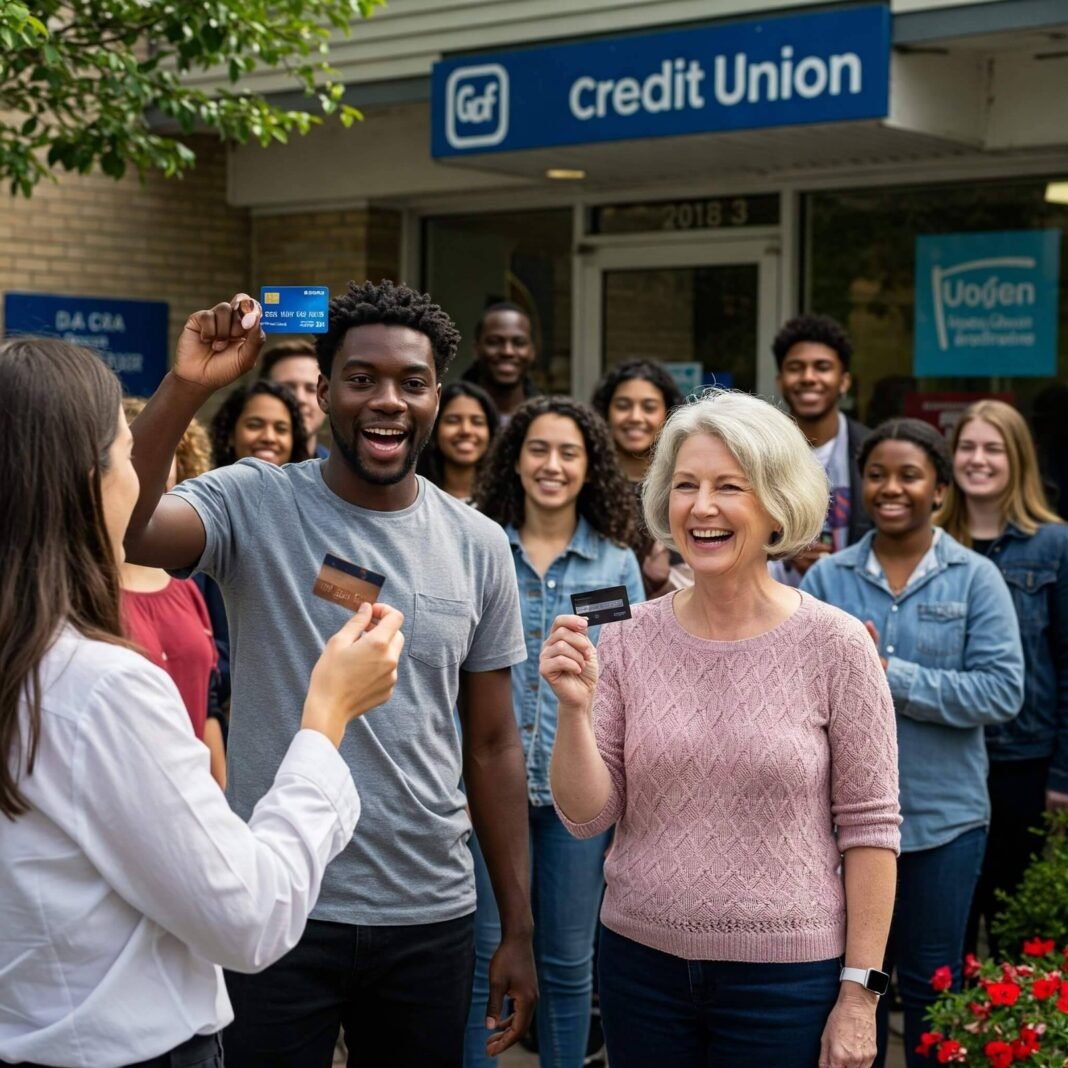
- Why It’s Dope: Credit unions are local and care about members. Mine had a community event with free BBQ, per CNET.
- My Experience: I joined a credit union tied to my neighborhood. They knew my name, which felt weird but nice.
- Downside: Smaller branches can mean fewer services, like fancy apps.
Easier Approvals: Credit Unions Cut You Some Slack
Downside: You still need decent credit, so don’t expect miracles.
Why It’s Dope: They’re more flexible with credit scores. My 670 score got me a loan, unlike my bank’s rejection.
My Experience: Got a $5,000 personal loan at 8% when my bank said no, per Business Insider.
SEO Tips for Blogging About Why More People Are Switching to Credit Unions
If you’re writing about why more people are switching to credit unions, here’s how to make Google your homie. I learned this after my blog got lost in a sea of “Bank vs. Credit Union” spam.
- Keyword Vibes: Drop “why more people are switching to credit unions” and stuff like “credit union benefits” or “cooperative banking” like you’re gossiping over sweet tea. Aim for 1-2% density, no bot vibes.
- Be Real AF: People click on human stories. My post got shares because I admitted I cried over a $25 overdraft fee.
- Link to Legit Sources: Linking to NerdWallet or Bankrate boosts cred and SEO. I got a backlink from a finance blog by spilling my guts.
- Visuals That Slap: Use images that scream “banking chaos.” My paper heart on a mug got clicks because it’s so relatable.
Wrapping Up: My Take on Why More People Are Switching to Credit Unions
Look, figuring out why more people are switching to credit unions is like finding a decent dive bar in Atlanta—tough but worth it. I’m sitting here, my apartment smelling like coffee and cat litter, still not sure if I’m a banking genius or just lucky. Credit unions saved me from fees and gave me better rates, even if I fumbled the switch like a noob. My advice? Check out NCUA’s locator, join one you qualify for, and don’t typo “benefits” like I did. You’ll mess up, but you’ll figure it out.
Outbound Links:
- Find a credit union near you! (This is a handy government site to help you find one.)
- A good article on the differences between banks and credit unions (for a deeper dive, if you’re feeling nerdy) (The CFPB does a good job explaining things.)